Dengue3 min readUpdated 29 October 2026
Dengue in Bali: how to spot it and when to get help.
The short answer
Dengue starts suddenly, 4 to 10 days after a mosquito bite, with a high fever, a severe headache, pain behind the eyes and aching muscles and joints. Take paracetamol, not ibuprofen or aspirin, and drink plenty. The risky time is when the fever drops: severe tummy pain, repeated vomiting, or bleeding gums or nose need a hospital now.
On this page 9
If you are worried right now
Go to a hospital emergency department now if you have any of these
- Severe tummy pain
- Vomiting that will not stop
- Bleeding gums or nose, or blood in your vomit or stool
- Fast breathing
- Pale, cold skin, or feeling very weak, restless or very thirsty
These often start after the fever has gone. Call 118 or 119 for an ambulance, or 112.
The symptoms
The WHO lists these symptoms of dengue. They usually begin 4 to 10 days after the bite and last 2 to 7 days.
- A high fever, up to 40°C
- A severe headache
- Pain behind the eyes
- Muscle and joint pain
- Nausea and vomiting
- Swollen glands
- A rash
Many people have mild symptoms or none at all. The pain behind the eyes and the aching joints are what most often set it apart from a cold or Bali belly.
Dengue, flu or Bali belly?
| Dengue | Flu | Bali belly | |
|---|---|---|---|
| Start | Sudden, high fever | Gradual or sudden fever | Diarrhoea first, fever not always |
| Pain | Behind the eyes, muscles and joints | General aches | Stomach cramps |
| Breathing and nose | Usually normal | Cough, sore throat, blocked nose | Normal |
| Stomach | Nausea, sometimes vomiting | Usually normal | Diarrhoea and vomiting |
| Rash | Sometimes | Rare | Rare |
Only a blood test can confirm dengue. If you have a fever in Bali, ask a doctor whether you need one.
Why the day the fever drops matters
Dengue runs in three phases. The CDC describes them like this.
| Phase | When | What happens |
|---|---|---|
| Fever | The first 2 to 7 days | High fever and the aches above |
| Critical | As the fever ends, for 24 to 48 hours | Some people start leaking fluid from their blood vessels. Warning signs usually appear now |
| Recovery | After that | Fluid returns to normal and you start to feel better |
This is why feeling a little better when the fever breaks is not the all-clear. The CDC notes that people can look well despite early signs of shock. Keep watching for the warning signs for the next two days.
What to do at your villa
- Paracetamol for fever and pain. Take it exactly as the packet says.
- No ibuprofen, aspirin or other anti-inflammatory painkillers. The WHO and NHS warn that they can increase the risk of bleeding in dengue.
- Drink plenty. Water, oral rehydration salts, broth and coconut water all count.
- Rest, and do not stay alone. Someone should be able to check on you through the critical phase.
- Get a blood test. It confirms dengue and lets a doctor track your platelets and how concentrated your blood is.
Testing
In the first 7 days of symptoms, the CDC recommends a test for the virus itself (RT-PCR) or for a dengue protein called NS1, each together with an antibody (IgM) test. After day 7, the antibody test is the main one.
Hospitals in Bali run these tests. Do not wait for a fever to break before testing: the NS1 test is meant for the first 7 days.
Can an IV drip help?
Fluids are a big part of dengue care. But in dengue, how much fluid and when should be guided by blood tests, because of the leak that can start around the critical phase. Too little and too much can both cause harm.
So we do not send a drip for suspected dengue without our doctor’s review first. A fever that lasts past 3 days needs that review anyway. Often the right answer is a blood test, a closer follow-up, or a hospital. If our doctor judges that you are only dehydrated and the warning signs are absent, a drip can help you rehydrate: flu and fever drip.
How to lower your risk
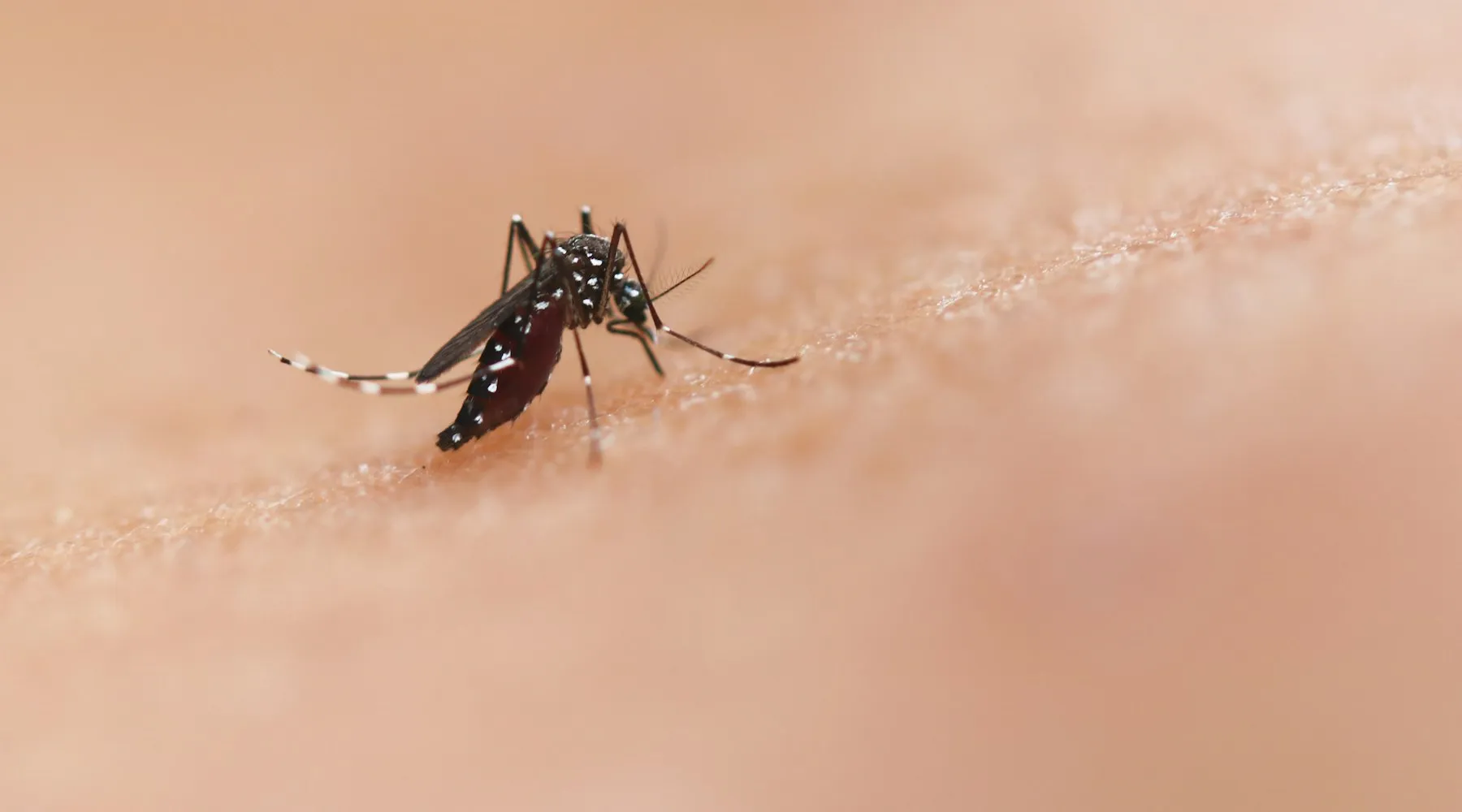
The mosquitoes that carry dengue bite during the day, according to the WHO and NHS.
- Use an insect repellent on exposed skin, ideally one with DEET, and reapply after swimming.
- Cover arms and legs, particularly in the early morning and early evening.
- Close screens, and sleep under a net if your room is open to the garden.
- Ask your travel doctor about Qdenga before you go. It was approved in Indonesia in 2022 for ages 6 to 45, in two doses three months apart. The WHO currently recommends it only for children aged 6 to 16 in high-transmission areas, so advice differs by country and by person.
If you have had dengue before, take extra care. The WHO notes that a second infection carries a greater risk of severe dengue.
Quick answers.
Is there dengue in Bali?
Yes. Dengue is endemic in Bali, and Australian health authorities report dengue in people returning from tourist areas including Bali. The mosquitoes that spread it bite during the day.
How long does dengue last?
The fever usually lasts 2 to 7 days. Most people get better in 1 to 2 weeks, although some feel tired for longer.
Can I take ibuprofen for dengue?
No. Ibuprofen, aspirin and other anti-inflammatory painkillers can increase the risk of bleeding in dengue. Use paracetamol for fever and pain.
How do I get tested for dengue in Bali?
A doctor or clinic takes a blood sample. In the first 7 days of symptoms, the usual tests look for the virus itself or a dengue protein called NS1, often alongside an antibody (IgM) test. After day 7, the antibody test is the main one.
Is there a dengue vaccine?
Yes. Qdenga was approved in Indonesia in 2022 for people aged 6 to 45, given as two doses three months apart. The WHO currently recommends it for children aged 6 to 16 in high-transmission areas, so talk to your own travel doctor before your trip.
Can you get dengue twice?
Yes. There are four types of dengue virus, and the WHO notes that people infected for a second time are at greater risk of severe dengue.
Does an IV drip help with dengue?
Fluids matter in dengue, but how much and when should be guided by a doctor and blood tests, because the body can start leaking fluid around the time the fever drops. Our doctor decides case by case, and often the right answer is a blood test or a hospital.
Sources
- WHO: Dengue and severe dengue (fact sheet)
- CDC: Clinical features of dengue
- CDC: Clinical testing guidance for dengue
- NHS: Dengue
- Smartraveller: Indonesia travel advice (health)
- Masyeni et al., Dengue infection in international travellers visiting Bali, Indonesia (2018)
- Business Wire: Takeda’s Qdenga approved in Indonesia (22 August 2022)
This guide is general information, not a diagnosis. If you are unsure, message us and our doctor will advise you, or call 112 in an emergency.
Keep reading

Bali belly medicine: what works and what to skip.
Most Bali belly needs no medicine beyond oral rehydration salts, rest and time. Loperamide (Imodium) can cut trips to the toilet in mild cases, but not with a fever or blood in your stool. Antibiotics are for moderate or severe cases and need a doctor: in Southeast Asia the usual choice is azithromycin. Charcoal and probiotics are not proven to help.
Read the guide
Emergency numbers, hospitals and pharmacies in Bali.
In a medical emergency in Bali, call 118 for an ambulance or 119 for medical emergencies, and 110 or 112 for police. Tourist areas have 24-hour emergency departments in Kuta, Kedonganan, Nusa Dua, Denpasar, Sanur and Ubud. Pharmacies, called apotek, sell rehydration salts and paracetamol, but antibiotics legally need a prescription.
Read the guide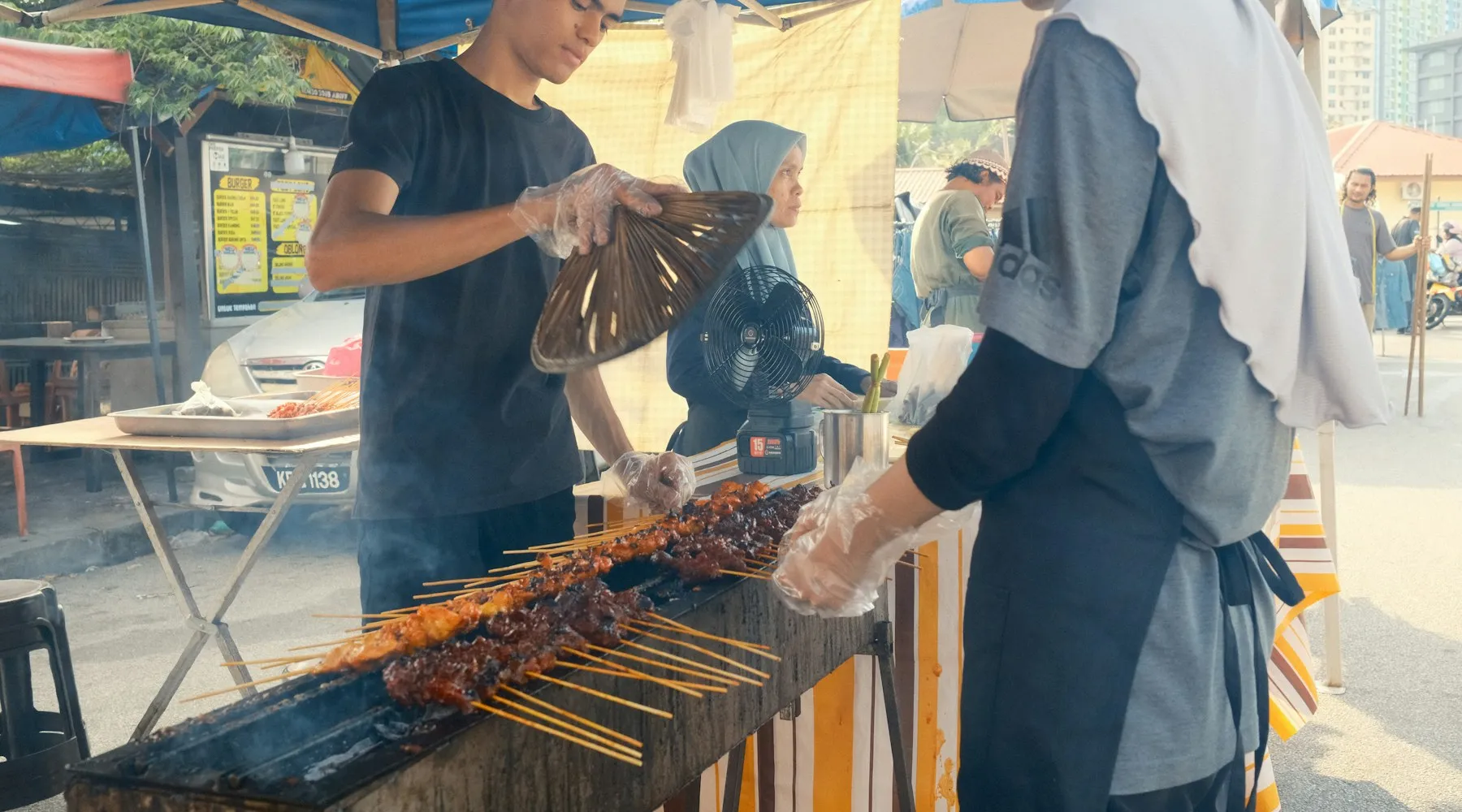
How to avoid Bali belly.
You cannot make the risk zero, but you can lower it. Drink sealed bottled water and brush your teeth with it, skip ice you cannot vouch for, choose food that is cooked and served hot, peel your own fruit, and wash your hands before eating. Pack oral rehydration salts, because careful travellers still get it.
Read the guide